Get Rid Of Scotch Broom For Good
Scotch broom (Cytisus scoparius) is an invasive shrub that can be found in many parts of the world. It is a fast-growing plant that can quickly form dense, impenetrable stands. Scotch broom can crowd out native plant species, degrade habitat for wildlife, and increase the risk of fire.
If you have Scotch broom on your property, you may be wondering how to get rid of it for good. There are a few different methods that you can use, but the most effective method is to remove the entire root system.
How to Remove Scotch Broom
There are a few different ways to remove Scotch broom roots. One method is to dig up the plant by hand. This can be a time-consuming and labor-intensive process, but it is the most effective way to ensure that the plant does not come back.
If you do not want to dig up the plant by hand, you can use a stump grinder to remove the root system. This is a more expensive option, but it is also faster and easier than digging.
If you have a small infestation of Scotch broom, you may be able to control it by cutting the plant back to the ground. However, this is not a permanent solution, as the plant will likely resprout from the roots.
Herbicides
Herbicides can also be used to kill Scotch broom. There are a number of different herbicides that are effective against Scotch broom, but the most effective herbicides are those that are systemic. Systemic herbicides are absorbed by the plant's leaves and roots, and they kill the entire plant, including the roots.
When using herbicides to kill Scotch broom, it is important to follow the instructions on the label carefully. Herbicides can be harmful to humans and animals, so it is important to take precautions when using them.
Preventing Regrowth
Once you have removed Scotch broom from your property, it is important to take steps to prevent it from coming back. One way to do this is to plant native plant species in the area where the Scotch broom was growing. Native plants are better adapted to the local climate and soil conditions, and they are less likely to be invaded by Scotch broom.
You can also help to prevent the spread of Scotch broom by disposing of plant material properly. Do not compost Scotch broom, as the seeds can survive the composting process and germinate later. Instead, burn or bury Scotch broom plant material.
Conclusion
Getting rid of Scotch broom for good can be a challenge, but it is important to do so. Scotch broom is an invasive species that can cause a number of problems, including habitat loss, fire risk, and the spread of non-native plant species.
By following the methods outlined in this blog post, you can help to get rid of Scotch broom for good and protect your property and the environment.
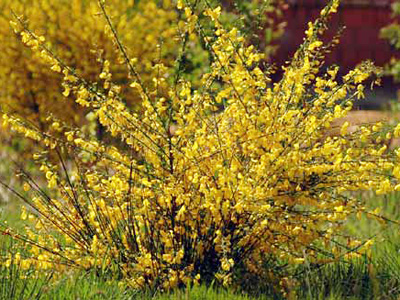
Scotch broom (Cytisus scoparius) is an invasive shrub that is native to Europe and North Africa. It was introduced to North America in the 1800s as an ornamental plant, but it has since escaped cultivation and become a major problem in many parts of the country. Scotch broom is a fast-growing plant that can reach heights of up to 10 feet. It has yellow flowers that bloom in the spring and summer. Scotch broom is a prolific seed producer, and its seeds can remain viable in the soil for many years. This allows scotch broom to quickly colonize new areas.
Scotch broom is a threat to native plants and animals. It forms dense stands that crowd out native vegetation, and it can also release toxins that kill or harm animals. Scotch broom is also a fire hazard, as its dry leaves and branches can easily catch fire.
If you see scotch broom on your property, it is important to control it. There are a number of methods that can be used to control scotch broom, including:
- Hand pulling
- Mowing
- Burning
- Biological control (using insects or other organisms to kill scotch broom)
- Chemical control (using herbicides)
For more information about scotch broom, please visit the website Garden Wiki. This website provides detailed information about the biology of scotch broom, its impacts on native plants and animals, and methods for controlling it.
FAQ of scotch broom
1. What is scotch broom?
Scotch broom is a non-native invasive plant that is native to Europe and Asia. It was introduced to North America in the early 1800s as an ornamental plant, but it quickly escaped cultivation and became an invasive species. Scotch broom is a tall, upright shrub with yellow flowers that blooms in the spring. It can grow up to 10 feet tall and spread by its seeds, which are carried by the wind.
2. Why is scotch broom considered an invasive species?
Scotch broom is considered an invasive species because it can outcompete native plants for resources, such as sunlight, water, and nutrients. It can also form dense thickets that prevent other plants from growing. Scotch broom can also be toxic to livestock and wildlife.
3. How can I control scotch broom?
There are a number of ways to control scotch broom, including:
- Manual removal: Scotch broom can be removed by hand by cutting it down at the base and digging up the roots. This is the most effective way to control scotch broom, but it can be labor-intensive.
- Chemical control: Scotch broom can be controlled with herbicides, but it is important to use herbicides that are specifically labeled for use on scotch broom. Herbicides should be applied in the spring or fall, when the plant is actively growing.
- Biological control: Scotch broom can also be controlled by using biological control agents, such as insects that feed on scotch broom. Biological control agents are often more environmentally friendly than herbicides, but they can take several years to be effective.
4. How can I prevent scotch broom from spreading?
The best way to prevent scotch broom from spreading is to not plant it in the first place. If you already have scotch broom on your property, you can prevent it from spreading by:
- Removing any new plants as soon as you see them.
- Mowing scotch broom regularly to prevent it from flowering and setting seed.
- Applying a barrier around the perimeter of your property to prevent scotch broom seeds from entering.
5. What are the benefits of scotch broom?
Scotch broom does have some benefits. It is a nitrogen-fixing plant, which means it can help to improve soil fertility. It can also provide food and shelter for wildlife. However, the benefits of scotch broom are outweighed by its negative impacts as an invasive species.
Image of scotch broom


Post a Comment for "Get Rid Of Scotch Broom For Good"